Overview
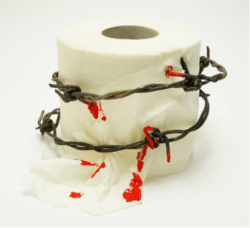
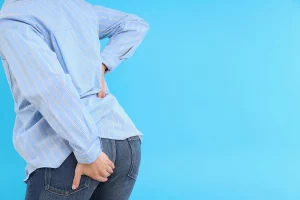
Excessive straining during bowel movements, big and hard stools, or constipation can cause several types of anal disorders like anal fissures or hemorrhoids. Though some of the symptoms of hemorrhoids and fissures may look the same, they are two different medical conditions.
Many people are embarrassed or get traumatized when they see blood or feel excessive pain during defecation. They hesitate to consult a doctor or even take precautionary measures at home.
Anal fissures are a very common problem and can occur at any age, but they are more common in infants and the age group between 15 to 40. Conservative treatment at home, lifestyle changes, a good diet, and some exercises and asanas can help in the quick healing of anal fissures.
Small anal fissures generally heal within four to six weeks. However, chronic fissures that continue to remain beyond eight weeks need medical consultation.

Are exercises good for anal fissures?
Depending on your symptoms, doctors may suggest some exercises. Regular exercises can increase your blood flow and help relax the anal muscles. Physical stimulation can improve constipation and help in bowel movements. However, a doctor’s consultation is a must before you try out any exercise. Some exercises can even reopen anal fissures and make the condition worse.
Stop your suffering NOW
Don't just jump into a surgery because your doctor is advising you to go for it. Consult our doctors to know if you need a surgery at all. Rest assured, we WON'T recommend you surgery unless it's the last resort.
6 best exercises for anal fissures
Pranayama, breathing exercises, special asanas, and a good diet can improve digestion, relax the anal muscles, ease bowel movements, and improve overall health.
Breathing exercise
It relaxes the anal muscles and your entire body.
How to do it?
- Place a mattress on the floor and lie down in a straight position.
- Keep your hands beside you.
- Relax your legs and your body.
- Now, take deep breaths in and out.
- This will slowly relax your whole body.
- Continue this breathing exercise for 25-30 minutes.
- Repeat this exercise every day.
Dhanurasana (bow pose)
Bow curve pose or dhanurasana is done by lying flat on the stomach. Your body will look like a bow and the body weight will rest on the abdomen. This exercise stretches and strengthens the pelvic muscles, promotes digestion, and reduces constipation.
How to do it?
- Bend your legs upwards towards the knees.
- Bring them towards the thighs.
- Stretch your arms backward and firmly hold the ankles with your hands.
- Now try lifting your ankles as much as possible and stretch your chest.
- Keep this position for about 5-6 seconds.
- Gently relieve your breath and get back to normal position.
- Repeat the exercise for nine to ten cycles. Do it twice daily.
Trikonasana (triangle pose)
Also known as triangle-pose exercise improves digestion and bowel movements.
How to do it?
- Strand straight with your legs apart.
- Do not bend the knees.
- You can start the exercise either with your right foot or left foot.
- Stretch the arms on both sides of the body to form a 90-degree angle.
- Both arms should be parallel to your body.
- If you are starting with your left foot, bend to the left side. Stretch the left hand so that the palm touches your left foot on the ground.
- Now extend the right hand upwards to form a straight vertical line.
- Stay like this for 10 seconds.
- Now repeat the same process with your right side.
- Do 5 cycles.
Pelvic exercise
This exercise can relax your body and improve blood circulation in the anus.
How to do it?
- Immerse your pelvic area in a bathtub filled with warm water. There should be enough water to cover your anal area.
- Start contracting the anal muscles. It should feel as if you are preventing stool or gas to pass.
- Hold this for some time and then release the muscles.
- Repeat this exercise every three minutes.
- The warm water will also soothe the anal fissures.
Viparita Karani (legs-up-the-wall pose)
You can do this yoga anywhere and do not need a wall. However, a wall will give good support to your legs as you held them high. This increases the pressure in your anus, promotes oxygen supply in the anal region, and is good for digestion.
How to do it?
- Lie down on your back.
- Keep your hands beside you in a straight position.
- Gently lift your legs upwards at a 90-degree angle.
- The soles must touch the wall.
- Take deep breaths.
- Maintain this position for ten minutes.
- For best results, do it every day.
Brisk walking
Walking is an excellent exercise and improves blood circulation of the whole body, helps in digestion, regulates bowel movements, and reduces weight. Take some time out daily and go out for brisk walking. If you are a beginner, try not to walk too fast or run as it may cause excessive sweating and you may be out of breath. Also, do not walk too slow, or else there will be no sweat at all.
Exercises to avoid
Certain exercises can aggravate the symptoms and do more harm than good. Before you try out a new exercise, it is best to consult your doctor. Here are a few exercises that you must avoid at all costs.
- Squats.
- Sit-ups.
- Intense workouts.
- Weight-training exercises.
- Buttock muscle-tightening exercises.
- Cycling.
- Rowing.
- Horse-back riding.