Overview
Piles or hemorrhoids are one of the most common medical conditions. Around 75% of people suffer from piles at some point in their lives.
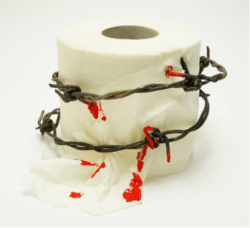
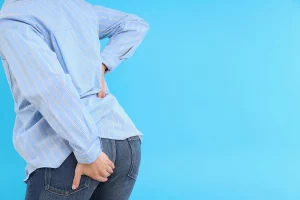
Piles are swollen blood vessels that occur in the anal region or the lower part of the rectum. They can be annoying, painful, and embarrassing and make your daily life difficult.
Fortunately, piles that are not so serious can be easily treated at home. Lifestyle changes, a good fiber-rich diet, and some exercises can help you heal and prevent the recurrence of the painful veins.
Regular visits to the gym or light exercises at home can improve digestion and gut health and also aid in regular and easy bowel movements.
People suffering from piles often shy away from discussing their problems with their gym instructor. But you must know that there are some exercises that can help in preventing piles and at the same time aggravate the symptoms if you are already suffering from piles. If you have piles, it is important to talk to your gym instructor, yoga practitioner, or family physician before you try out new exercises.

6 best exercises for piles
Pelvic floor contraction
This Kegel exercise helps to strengthen the pelvic floor muscles, relaxes the anal sphincter, prevents the need for straining, and allows easy flow of stools.
How to do it?
Step 1 – You can lie on the back or sit in a comfortable position.
Step 2 – start contracting your anal muscles as if you are stopping yourself to pass gas.
Step 3 – hold this contraction position for 5 seconds.
Step 4 – release for 10 seconds.
Step 5 – repeat the exercise 5 times but only use half of your strength.
Step 6 – squeeze the muscles and relax them repeatedly as fast as possible.
Step 7 – continue the exercise as long as you can.
Step 8 – do this exercise 2-4 times a day.
Deep breathing technique
This is a good exercise to alleviate and relax the pelvic floor muscles and remove muscle tension.
How to do it?
Step 1 – sit straight in an upright position.
Step 2 – place the hands above the waist on the sides of the lower rib cage.
Step 3 – inhale deeply through the abdomen as this will dilate and stretch your belly.
Step 4 – as you exhale, bring your navel towards your spine.
Step 5 – continue this exercise for 5 minutes.
Balasana or child’s pose
This will promote blood circulation in your anal region, reduce constipation, and help relax your hips and lower back.
How to do it?
Step 1 – sit back on your knees and place your hips on the heels.
Step 2 – keep your hands on the lower abdomen to increase pressure on this area.
Step 3 – stretch the arms forward in front of your head and extend them as much as you can.
Step 4 – relax your arms alongside your body.
Step 5 – stay in this position for 5 minutes.
Viparita Karani or the legs-up-the-wall pose
This asana increases circulation in the anal region. It relieves pain, discomfort, and irritation from piles.
How to do it?
Step 1 – sit on the right side next to the wall.
Step 2 – lie on your back, lift the legs and place them vertically on the wall.
Step 3 – place your arms comfortably beside you and gently do an abdominal massage.
Step 4 – be in this position for 15 minutes.
Step 5 – slowly bring down your legs and relax.
Pawanmuktasana or wind-relieving pose
This asana improves digestion by putting pressure on your abdomen. It relaxes the muscles around the buttocks, abdomen, and anus.
How to do it?
Step 1 – lie on your back.
Step 2 – bend your knees and bring them towards the chest.
Step 3 – now put your hands on your shins and interlock your fingers.
Step 4 – keep breathing steadily.
Step 5 – stay like this for 1 minute.
Step 6 – repeat this asana 5 times.
Baddha Konasana or bound angle pose
This yoga can strengthen your knees, groin, and inner thighs. It stimulates the abdominal organs and improves digestion and relieves discomfort from piles.
How to do it?
Step 1 – sit comfortably on the floor. You can use a cushion or a soft blanket to prevent irritation and pain.
Step 2 –keep the soles of the feet together and the knees stretched out wide.
Step 3 – interlace the fingers around the toes and keep the back straight.
Step 4 – hold this position for 1 minute.
Step 5 – slowly relax the body and rest.
Other exercises
Light cardiovascular exercises like brisk walking, jogging, bear crawling, etc., can promote healthy bowel movements. Swimming is also an excellent exercise and is also very rejuvenating.
Stop your suffering NOW
Don't just jump into a surgery because your doctor is advising you to go for it. Consult our doctors to know if you need a surgery at all. Rest assured, we WON'T recommend you surgery unless it's the last resort.