Overview
Many people who are suffering from varicose veins are in a dilemma whether to exercise or not. Some often have this misconception that exercise can worsen the symptoms or cause more pain.
The truth is that doctors believe that exercise can actually benefit varicose veins, help in alleviating pain, control the worsening of the symptoms, and prevent their development.
Can exercise cure or reduce varicose veins?
While exercise cannot reverse the varicose veins or completely cure them, it can help reduce the pain and inflammation and temporarily decompress them.
Varicose veins occur when the valves in the veins are not functioning well and blood in the veins is unable to flow back to the heart. Regular exercise strengthens your calf muscles, pumps the blood, and improves blood circulation in the blood. This also reduces the inflammation caused by blood pooling up in the veins and alleviates pain.
Unfortunately, if you have varicose veins, exercise cannot cure the condition and you will need proper treatment. It can only provide relief to the symptoms.
Best exercises for varicose veins
Exercises that are safe and benefit your varicose veins include:
Walking
Walking is a gentle exercise that improves blood circulation without putting too much pressure on your veins. A 30-minute walk outdoors is a good medicine for improving your varicose veins, reducing body weight and blood pressure, improving mood, strengthening muscles and bones, and is good for the holistic development of the body.
Swimming
Swimming is an aquatic cardiovascular exercise. It is a low-impact exercise that reduces the pressure in your blood veins, improves blood circulation, and relaxes the muscles. Start by taking full laps of the swimming pool back and forth. As you get more comfortable in the water, try increasing your swimming time.
Bike riding
Bike riding strengthens the calf muscles, stimulates blood circulation, alleviates stress, and helps to lose body weight. You can wear compression stockings for comfort. Avoid cycling in very hot weather as it dilates and worsens the veins.
If you are unable to go outside, lie down on a soft mat or the bed, lift your legs in the air, and pedal them in a circular motion as if you are riding a bike.
Leg lifts
It is an easy exercise and can be done at home. It stretches the leg muscles and improves blood flow. Lie on the back, lift one leg straight up, hold it for a few seconds, and slowly lower the leg. Now repeat this with the other leg. This exercise should be done several times.
Ankle rotations
Ankle rotations can be done in a seated position. Seat on a chair and rotate the feet and your ankles in a circular motion. Now, repeat the rotations in the opposite direction. This improves lower body blood flow.
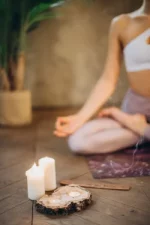
Yoga
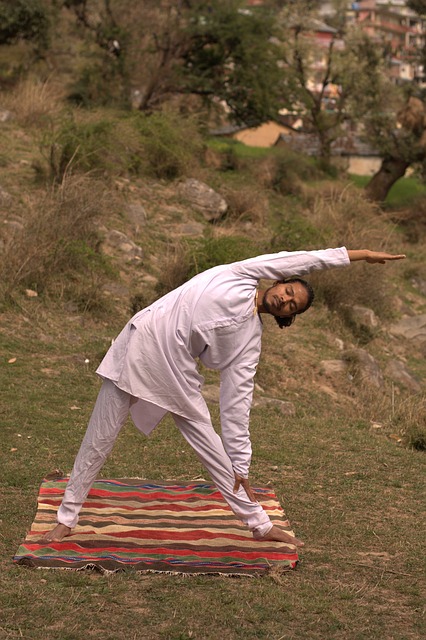
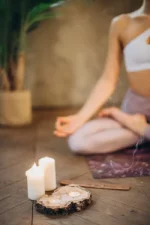
Light yoga is beneficial for your overall health as well as for varicose veins. Routine yoga strengthens your body and reduces varicose symptoms. Consult a yoga instructor about which yoga is best for your condition. Avoid yoga that agitates the varicose veins.
Stop your suffering NOW
Don't just jump into a surgery because your doctor is advising you to go for it. Consult our doctors to know if you need a surgery at all. Rest assured, we WON'T recommend you surgery unless it's the last resort.