Overview
A fistula is an abnormal condition connecting two vessels, organs, or other body parts.
Fistulas can be very painful and need immediate medical treatment. However, if the problem is diagnosed early and is not so intense, the right diet can help in managing the symptoms and provide relief.
The food and diet plan depends on the nature of the fistula and its stage. It also depends on your metabolism and physical health.
It is important to keep your digestive system healthy and avoid junk foods that can aggravate the condition. Consult your doctor and a nutritionist to help you chart the ideal diet plan.
Diet plan for fistula
Electrolytes and water
If the fistula is infected, it may lead to heavy drainage. In that case, keeping yourself hydrated with water and electrolytes and building your stamina is important.
Essential nutrients
It is vital to take essential nutrients to fight the disease and help in recovery especially if you have had a fistula surgery.
Enough fiber
Foods should also have enough fiber that helps in the easy movement of stools and reduces constipation.
What are the best foods for fistula?
If you are suffering from fistula, you need to follow a food habit that provides you with the necessary nutrition, fluids, and stamina to fight the disease.
Your regular diet should include the following:
Cereals
Cereals are loaded with fiber that aids in digestion and reduces the urge to strain during the passing of stools. Cereals include oatmeal, brown rice, wheat, barley, etc.
Pulses
Pulses are also rich in fiber and are good for your gut health. Kidney beans, lentils, soybeans, and chickpeas are nutritious and provide bulk to the stool that provides a smooth bowel movement.
Fruits
Fruits are loaded with antioxidants, and vitamins, and contain high water content. They are fibrous and provide relief from inflammation and flare-ups. Watermelon, banana, pomegranate, avocados, apples, pears, etc., should be consumed and are nutritious.
Green vegetables
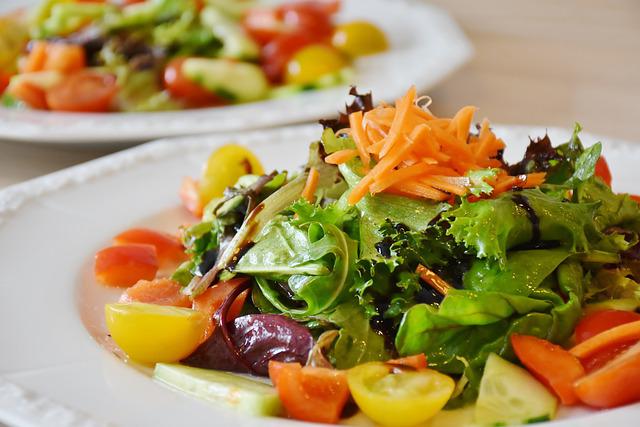
Green vegetables like spinach, cabbage, lettuce, or bitter gourd are nutritious and fibrous. They help in digestion and easy excretion of stools.
Nuts
Nuts have low amounts of saturated fats and are good substitutes for animal proteins. They are high in dietary fiber, antioxidants, vitamins, and minerals. Almonds, peanuts, cashews, and walnuts are good sources of nutrients.
Vitamin C
Vitamin C-enriched foods are high in antioxidants and boost your immunity. They help the body fight infections and enhance the healing process. Citrus fruits like oranges, lemons, and tomatoes are good for fistulas.
Fluids
Consume more fluids to avoid constipation. Make sure to drink enough water and fresh fruit juices throughout the day. Coconut water is good for your digestive system and reduces constipation.
Probiotics
Probiotics like yogurt are milk substitutes. It is good for your gastrointestinal health and can be consumed if lactose intolerant.
Stop your suffering NOW
Don't just jump into a surgery because your doctor is advising you to go for it. Consult our doctors to know if you need a surgery at all. Rest assured, we WON'T recommend you surgery unless it's the last resort.