Overview
Every year, hundreds of people are affected by kidney stones.
Usually, the kidney stones are very small and do not cause any symptoms. They can easily pass out through the ureters which are thin tubes that carry the urine from the kidneys to the urinary bladder.
However, if the kidney stones are big, they are difficult to pass and get stuck in the ureters, urethra (the tube that transports urine from the bladder to outside the body), or bladder, and block the flow of urine. This causes the kidneys to swell and can be extremely painful.
Kidney stones can reoccur due to poor lifestyle or diet choices, family history, or underlying health problems like obesity, kidney problems, family history, etc.
The good news is that hydrating the body by drinking lots of water throughout the day and dietary changes can prevent the buildup of kidney stones.
Based on the type of kidney stones, doctors will recommend medications and a kidney stone diet.
If the stones are too big and are causing major complications, surgery is recommended.
What is a kidney stone diet?
A kidney stone diet prevents the development and reoccurrence of kidney stones.
Nephrologists and dieticians recommend a DASH (Dietary Approaches to Stop Hypertension) diet that mainly focuses on fresh fruits, vegetables, and whole grains.
The diet limits saturated fats, and added sugar, and restricts sodium intake.
DASH diet improves overall health by reducing risks of heart disease, high blood pressure, and high cholesterol levels.
A DASH diet is rich in:
- Fiber and protein
- Potassium, calcium, and magnesium
A kidney stone diet mainly includes:
- Drinking lots of water and fluids
- Restrict foods with high oxalate levels
- Include calcium
- Limit sodium and animal protein
Diet recommendations depend on the type of kidney stones.

Diet recommendations for kidney stones
The healthcare professional will recommend a diet based on the type of kidney stone.
Calcium oxalate stones
Calcium oxalate kidney stones occur when there are high levels of oxalate in the body, decreased water intake, and high sodium levels.
The body produces oxalates and also absorbs oxalates from foods. Calcium binds to these oxalates to form calcium oxalate stones.
Diet recommended for calcium oxalate stones:
- Avoid foods that are rich in oxalate like spinach, legumes, nuts, wheat bran, carrots, or beetroots
- Reduce sodium intake. Avoid packaged, canned, or fast foods that are high in salt
- Limit animal proteins like red meat, shellfish, pork, chicken, and eggs
- Reduce the intake of whole milk, cheese, etc.
- Take foods that are low in oxalate but rich in calcium mainly plant-based foods, vegetables, or beans
Intake of calcium in the right amounts can block substances that cause the formation of stones.
Consult a doctor and dietician to add the right amount of calcium to the diet for healthy bones and support overall health.
Struvite stones
Struvite stones are mainly caused due to urinary tract infections or the presence of bacteria. The alkaline or pH levels are normally high in the urine due to bacterial infection.
To prevent struvite stones, include the following in the diet:
- Citrus fruits like lemonade, oranges, cranberries, etc.
- Lots of water, fluids, and fruit juices
- Tea, coffee, etc.
Extra fluid intake and an adequate amount of water will dilute the urine and prevent the formation of stones.
Uric acid stones
Uric acid kidney stones are formed due to an excess amount of uric acid in the urines.
Dietary recommendations include:
- Staying hydrated by drinking water and other fluids
- Add fresh fruits and vegetables to the regular diet
- Citrus fruits
- Reduce the intake of animal proteins meats and seafood
- Avoid taking alcohol
- Limit dairy product intake
- Add dairy alternatives like soy milk, tofu, soy butter, almond milk, etc.
- Eat nuts, cashews, peanuts, etc.
- Plant-based proteins like lentils, peas, and legumes
- Avoid fatty foods
Cystine stones
Cystine stones contain amino acids which are building blocks for proteins.
Excessive amount of cystine in the urine raises the pH balance in the urine.
Eat foods that balance the pH in the urine.
Dietary recommendations include:
- Consuming water at regular intervals
- Have lots of fluids and juices
- Fresh vegetables and fruits
- Reduce salt intake
- Limit animal proteins that are high in methionine (a component of amino acids)
- Eat enough fiber
- Add enough calcium to the diet
Stop your suffering NOW
Don't just jump into a surgery because your doctor is advising you to go for it. Consult our doctors to know if you need a surgery at all. Rest assured, we WON'T recommend you surgery unless it's the last resort.
Best foods for kidney stones
Foods that are good for kidney stones
Water and liquids
Staying hydrated is important for kidney stones. Doctors recommend an intake of at least 12 glasses of water a day. Include fresh juices and liquids in the diet.
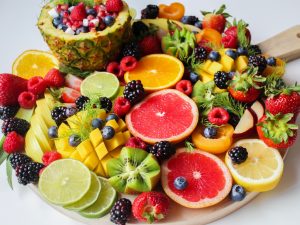
Citrus fruits
Citrus fruits that are rich in vitamin C breaks and dissolves the kidney stones. Citrus juices tend to be acidic. They can be diluted with water for easy digestion.
Plant-based foods
Include a lot of fresh green vegetables and fruits in the diet. Avoid packaged vegetables like frozen peas or canned juices.
Plant proteins
Animal proteins increase the risks of kidney stones.
Plant proteins like lentils and beans are easy to digest and are rich sources of protein.
Calcium-rich foods
Eat foods that are natural sources of calcium like nuts, legumes, grains, milk, etc. Milk supplements like soy milk, tofu, etc., are good for kidney stones.
Foods to avoid
Foods to avoid include:
- High-sodium foods like packaged or fast foods
- For calcium oxalate stones, foods like nuts, spinach, and wheat bran should be avoided
- Animal proteins like red meat increases uric acid levels in the body
- Supplements like calcium supplements or vitamin C supplements. They can increase the levels more than the body needs
- Vegetables that are high in oxalate like beetroots, carrots, spinach, raspberries, etc.
- Sodas like Pepsi or Coca-Cola and beverages with added sugars