Overview
Varicose veins are the unsightly, swollen, and sometimes painful veins that appear as bulging on the surface of the skin in your legs and feet.
The primary cause for varicose veins is damaged and weakened valves that are incapable of backflowing the blood from the veins into the heart. This increases the blood pressure in the vein walls and enlarges the veins.
Luckily, varicose veins are not a life-threatening condition and, in many cases, do not cause any significant discomfort or pain and you might not need immediate treatment. However, if the condition is not treated on time, it can cause serious complications like venous insufficiency, blood clots, bleeding, rashes, and intense pain.
Along with medical treatment, several home remedies can alleviate the symptoms associated with the condition.
Are home remedies helpful for varicose veins?
Yes, home remedies can help in alleviating varicose vein symptoms, but it is important to note that they cannot effectively treat varicose veins.
There are several non-invasive procedures like sclerotherapy (injection therapy), endovenous thermal ablation (laser therapy), or ligation and stripping (surgical removal of the varicose veins) that can get rid of the varicose veins.
Home remedies can help manage the symptoms, improve blood circulation, reduce pain and swelling, and provide relief.
Easy home remedies for varicose veins
Here are some of the best home remedies for varicose veins:
Compression stockings
Compression stockings apply pressure to the swollen legs, prevent them from dilating, improve blood flow, and reduce the pooling of blood in the veins. They provide relief to pain and discomfort.
Compression stockings are available in several colours and shapes. Some are knee-high while others are like leggings that can be worn like pants that cover the stomach. Your healthcare provider will guide you in selecting the right stocking that suits your requirements.
The stockings can be worn throughout the day and removed at night before bedtime.
Exercise
Low-impact exercise done regularly improves muscle movements and pumps the blood from the veins to the heart. It improves blood circulation and prevents the blood from clotting in the veins.
Walking is a very low-impact exercise that does not put pressure on the legs. A half-an-hour walk daily improves blood circulation and relieves pain and inflammation.
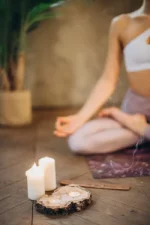
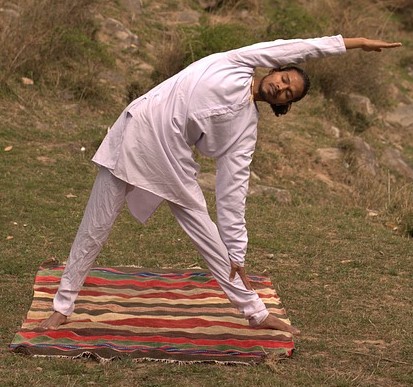
Cycling and light yoga strengthen the leg muscles, improve circulation, and are good for overall well-being.
Swimming
Swimming is a good cardio exercise for your heart as well as varicose veins. It does not strain the legs and improves blood circulation. It also helps to curb body weight which can contribute to the development of varicose veins.
Dietary modifications
Healthy dietary choices reduce the risks of varicose veins. Constipation puts pressure on the veins. A good fiber-rich diet reduces constipation.
Fresh fruits and vegetables, apples, nuts, oats, flaxseeds, legumes, and whole grains are good sources of natural fiber. Reduce red meat consumption as it has very little fiber and can cause constipation.
Citrus fruits like oranges, lemons, and grapes are loaded with vitamin C which helps in reducing inflammation.
A well-balanced diet helps to lose extra weight which can put pressure on the veins. Avoid high intake of sodium as it causes fluid retention and inflammation of the veins.
Increase potassium intake as it reduces water retention that can swell the veins. Foods rich in potassium are almonds, salmon, yogurt, dates, lentils, etc.
Flavonoids
Flavonoids improve blood circulation, relax the blood vessels, and prevent the blood from pooling in the veins. Natural sources of flavonoids are broccoli, onions, garlic, bell peppers, spinach, blueberries, grapes, and apples.
Leg elevation
Elevating the legs helps improve blood circulation. If your work demands you to sit or stand for long hours, you need to practice leg elevation exercises to provide relief to your symptoms. Ideally, you should elevate the legs above your heart or your head for best results. It helps the blood flow back to the heart.
Massage
Massages can provide temporary relief to varicose veins. It reduces pain, swelling, and discomfort. Consult your massage therapist and explain your condition. It is also important to notify your therapist of any history of blood clots.
Lose excess weight
Obesity is also a key factor in developing varicose veins. If you are obese, you need to shed those extra pounds. Avoid a sedentary lifestyle as it can worsen your condition. Regular workouts and yoga can help reduce weight.
Apple cider vinegar
Apple cider vinegar contains anti-inflammatory components that improve blood circulation. Dilute some apple cider vinegar with water. Dab a cotton ball in the solution and apply it gently on the affected area. Apple cider vinegar is strong and applying it undiluted can cause skin irritation. Leave the solution for thirty minutes then rinse the area with cold water.
Stop your suffering NOW
Don't just jump into a surgery because your doctor is advising you to go for it. Consult our doctors to know if you need a surgery at all. Rest assured, we WON'T recommend you surgery unless it's the last resort.