Overview
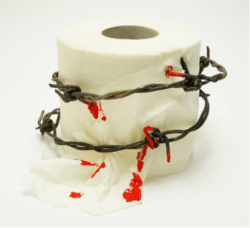
Anal fissures are a crack or a tear on the skin of the anal canal and can cause severe pain and even bleeding during bowel movements.
Anal fissures generally occur due to:
- Chronic constipation
- Hard stools
- Inflammatory bowel disease (IBD)
- Straining during defecation
- Prolonged diarrhea
- Childbirth
- Trauma during anal intercourse
- Other medical conditions like anal tumors, anal cancer, HIV, etc.
- Anal surgery
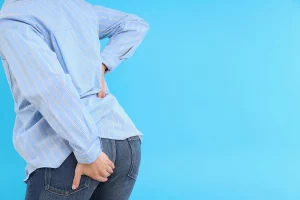
People suffering from anal fissures experience severe pain during or after bowel movements. Fissures generally last for 4-6 weeks but if the symptoms persist or become severe, proper treatment is recommended.
Anal fissures can occur at any age but are more common among infants and children. But older adults are also susceptible to the disease.
Diet plays an important role in healing anal fissures. The right food can help build immunity, improve your gut health, and strengthen your internal health.
Top 10 foods to heal anal fissures
Papaya
Papaya helps in digestion and is good for your gut health. Papaya has papain which is an enzyme that promotes digestion. Papaya is high in water (almost 88%) and dietary fibers. Papaya should be eaten moderately, otherwise it may cause digestive problems. Pregnant women must avoid eating raw papaya as it may contain a type of latex that may induce early uterine contractions and labor.
Bananas
Another super food for constipation is bananas. A banana (medium size) has 3 grams of fiber. It also contains a resistant starch called pectin which can improve stool consistency and help in bowel movements. However, people suffering from chronic constipation must avoid unripe bananas as it has large amounts of amylase-resistant starch that can aggravate the condition. Bananas also add bulk to the stool and the sugar content has antibiotic properties which reduces inflammation and soothes the fissures.
Oatmeal
Oatmeal has soluble fibers that help to retain water in the stool, soften it, and make it easier to pass. It also contains anti-inflammatory compounds called avenanthramides that can help in healing the fissures. Eating oatmeal regularly in breakfasts can help in regulating your bowel movements.
Turmeric
Turmeric is loaded with healing properties. It contains a compound called curcumin which is an anti-inflammatory as well as an antioxidant. Many people apply raw turmeric paste on the skin for healing skin ailments and for healthy skin, however, much research is needed on whether turmeric could be applied directly to fissures. Turmeric can be taken along with black pepper as they can help in better absorption of curcumin.
Pulses and legumes
Pulses and legumes like red, green, brown, and yellow pulses, and beans and chickpeas are rich in fibers and zinc that are useful to our bodies. Sprouting legumes or cooked lentils and legumes help in the absorption of zinc which can promote the body’s healing process and recovery. Regular consumption also helps to soften the stools and make them less hard.
Watermelon
Watermelon is a great fruit. It has high water content and can reduce constipation and hydrate the body. It is rich in vitamin A and C, and also magnesium. In addition, the fiber content is good for gut health and promotes easy bowel movements.
Probiotics
Probiotics are good for your gut health. Yogurt, kimchi, sauerkraut, kefir, etc., are probiotics that help improve digestion and aid in painless bowel movements.
Flaxseeds
Flaxseeds are natural laxatives. They have omega-3 fatty acids and rich sources of fiber. They can help reduce constipation and the urge to strain during the passage of stools.
Whole grains
Whole grains are loaded with insoluble fiber which is not difficult to digest. Insoluble fibers help in the easy excretion of stools from the body. Whole grains like brown rice, oats, barley, ragi, and quinoa, are good for health and can be included in your regular diet.
Vegetables
Leafy vegetables like spinach, cabbage, and brussels sprouts are loaded with antioxidants, help in digestion, and are good for overall health. Other vegetables like broccoli, carrots, tomato, and cauliflower are loaded with vitamins, fibers, and antioxidants.
Citrus fruits
Fruits like oranges and lemons are high in vitamins and antioxidants and can heal flareups and reduce inflammation from fissures. It is best to include a lot of seasonal fruits in your daily diet.
Fluids
Water and fluids are the best medicine for fissures. Experts advise drinking at least 3-4 liters of water a day to prevent constipation. It also hydrates your body. Drinking fruit juices, different kinds of soups and buttermilk is good for digestion and also helps in bowel movements.
Foods to avoid
There are certain foods that can worsen the fissures and should be avoided or taken in very small portions.
Red chilies and spicy foods
Avoid foods that are too spicy. The red chili powder can cause a burning sensation in the anus and aggravate fissures.
Sugary foods
Excessive consumption of sugary foods like cakes and sweets can cause irritation in the anal lining and worsen fissures
Red meat
Red meat is high in proteins and very low in fibers. It can increase constipation.
Salty and fried foods
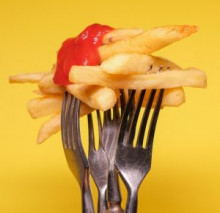
Salty foods contain high levels of sodium which can cause dehydration and release more water from your body during urination. It can also cause bloating and gas. Fried foods such as French fries or fried chicken contain trans fats which increase the risks of developing fissures.
Caffeine
Aerated drinks and caffeinated beverages should be avoided as much as possible as they can irritate the anal canal.
Alcohol
Alcohol can cause a burning and itching sensation in the anus and irritate the fissures.
Frozen food products
Frozen foods can turn into small crystals which do not get digested and remain in the digestive tract and can cause irritation during defecation.
Dairy products
Milk products like ice cream and cheese are difficult to digest and can cause bloating, constipation, and other digestive problems.
Stop your suffering NOW
Don't just jump into a surgery because your doctor is advising you to go for it. Consult our doctors to know if you need a surgery at all. Rest assured, we WON'T recommend you surgery unless it's the last resort.