Overview
Piles are inflamed veins that develop outside the anus or inside the rectum. The condition is very common, can cause localized inflammation or tissue growth, and can be extremely painful.
In many cases, piles can improve with time or with simple home remedies for piles and may not need any treatment.
People can develop piles if they:
- Are obese
- Has severe constipation
- Strains intensively during bowel movements
- Pregnant
- Suffers from chronic diarrhea
- Lift heavy loads regularly
- Are on a low-fiber diet
- Above the age of 50
What are the symptoms of piles?
Piles symptoms that are not serious resolve on their own.
Symptoms of piles depend on the type of piles and their severity.
Internal piles symptoms:
Internal piles develop inside the rectum. You may not feel any discomfort but chronic constipation or straining during bowel movements can cause some symptoms like:
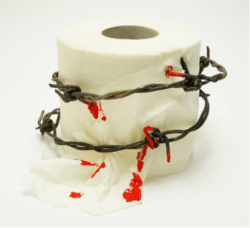
- Painless bleeding. Traces of bright red blood in the toilet paper or the toilet basin during bowel movements
- Skin protruding out of the anus while passing the stool
- Pain during bowel movements
- Prolapsed or protruding piles that cause irritation, itching, or pain
External piles symptoms:
- The anal area is swollen, extremely itchy, or appears red
- Pain and discomfort during bowel movements
- A hard, painful lump may develop around the anus. The lump may contain coagulated blood and is called thrombosed external piles
- Anal bleeding
Thrombosed piles symptoms:
Thrombosed piles occur when the veins are filled with blood and protrude out of the anus. They can be extremely painful and cause major discomfort while sitting, passing stools, or standing.
Thrombosed piles symptoms:
- Pain during walking, sitting, or passing stools
- Painful bleeding during bowel movements
- Presence of hard, discoloured lumps around the anus
- Intense itching
Piles can develop into a severe condition. Symptoms include:
- Severe rectal or anal bleeding that can lead to anemia
- Severe infections
- Fecal incontinence or inability to control bowel movements
- Development of anal fistula
- Strangulated piles where the blood supply is cut off due to infections or the development of blood clots

Can piles be treated early?
Piles are a part of our normal anatomy. They cause problems only when they are sore, start itching, are inflamed, and get painful.
Treatment for piles is always not necessary. Simple home remedies, lifestyle changes, eating fiber-rich foods, and leading a healthy life can help treat piles at an early stage.
Here are a few ways to treat piles at an early stage:
Dietary modifications
Start eating high-fiber foods like lentils, vegetables, and fruits. Drink water and liquids and keep your body hydrated. Dehydration can increase constipation.
Avoid sugary beverages, fast foods, and fried foods. Eat at regular intervals. Avoid keeping long gaps between each meal. This helps in the proper digestion of the foods.
A healthy lifestyle
Try doing moderate exercises for piles like walking or swimming every day. Consult your doctor and fitness trainer about the exercises that are good for your condition.
Avoid exercises like situps, squats, or riding a bicycle as it can aggravate the condition and make your piles worse.
Follow good bathroom habits
Always keep your anal and rectal area clean and dry after peeing or bowel movements. Avoid using harsh, scented soaps in the area.
Go to the restroom whenever you feel the urge for a bowel movement. Avoid sitting on the toilet sit for too long or straining during bowel movements.
Home remedies for pain relief
Use ice packs to reduce swelling and pain. Sit in a bathtub filled with warm water for 10-15 minutes. This helps to reduce the pain and swelling. You can use sitz baths for pain relief.
Over-the-counter topical ointments can provide a soothing relief to the discomfort.
Wear cotton
Wear loose, cotton underwear and keep the area airy to avoid moisture buildup.
Be active
A sedentary or inactive lifestyle can aggravate piles. Do not sit or stand for extended periods. If your job requires you to sit at your desk for a long time, take short breaks, and go for a walk to improve blood circulation.
Stop your suffering NOW
Don't just jump into a surgery because your doctor is advising you to go for it. Consult our doctors to know if you need a surgery at all. Rest assured, we WON'T recommend you surgery unless it's the last resort.