Overview
The food you eat impacts the functioning of your internal organs, manages your weight or cholesterol levels, and also should benefit your vein health.
If you are already suffering from varicose veins, a balanced and healthy diet may not completely cure your varicose veins but can lessen the symptoms and reduce the risks of developing the disease in the future.
How does diet impact varicose veins?
When it comes to dealing with varicose veins, many people focus more on treatment options and exercise but overlook the importance of a healthy diet.
A well-balanced healthy diet:
- Strengthens vein walls
- Improves blood circulation
- Maintains an optimum blood pressure
- Improves overall vein health
- Manages blood sugar levels
Apart from that, a good diet has a significant impact on your body weight, and digestion, and also helps in regulating blood sugar levels. Certain vitamins stimulate collagen production and reduce the risks of developing blood clots. Essential nutrients keep your veins flexible and in good shape.
The best foods for varicose veins
A good diet supports blood circulation and strengthens the vein walls. Essential nutrients, antioxidants, high-fiber foods, omega-3 fatty acids, and fluids are good for vein health.
Foods to eat:
Fresh fruits and vegetables
Fruits and vegetables are natural sources of antioxidants and anti-inflammatory components. Citrus fruits like lemons, grapefruit, and oranges reduce vein swelling. They also provide fiber that controls constipation and essential nutrients to prevent vein leakage.
Fruits and vegetables that are good for veins include:
- Avocados
- Berries
- Grapes
- Broccoli
- Leafy vegetables
- Beets
- Black olives
- Oranges
- lemons
Fiber-rich foods
Excessive constipation increases vein pressure. Fiber-rich foods help in easy bowel movements, prevent constipation, and help in regulating blood pressure and cholesterol levels.
Foods that are loaded with fiber are:
- Flaxseed
- Apples
- Barley
- Berries
- Carrots
- Whole grains
- Legumes
- Beans
Anti-oxidants
Anti-oxidants support your vein health and reduce inflammation.
- Berries like strawberries and blueberries
- Foods enriched with vitamin C like lemons and grapefruits
- Leafy vegetables and greens like spinach and broccoli
- Nuts and seeds
Omega-3 fatty acids
Omega-3 fatty acids like walnuts, salmon fish, or chia seeds are good for your cardiovascular health and veins.
Bioflavonoids
Bioflavonoids have anti-inflammatory agents and are good for the heart, blood circulation, and veins. They strengthen the vein walls and prevent blood clots.
Foods that are rich in bioflavonoids include:
- Peppers
- Grapes
- Onion
- Broccoli
- Soybeans
- Legumes
- Citrus fruits
- Apples
- Brussel sprouts
- Kidney beans
Potassium
Increased potassium intake regulates varicose veins. Foods like leafy vegetables, tuna fish, salmon, lentils, nuts, beans, pistachios, and almonds have high levels of potassium. They balance the sodium levels and water retention in the body and decrease vein pressure.
Fluids
Keeping your body hydrated benefits the blood circulatory system and flushes out waste from the body. They reduce constipation and help in urination. They minimize the pooling of blood in the veins. Drink plenty of fluids and water. Herbal teas like ginger or chamomile tea have anti-inflammatory properties and reduce vein inflammation.
Vitamins
Ensure that you consume the right amounts of vitamin C, vitamin B3, and Vitamin E.
- Vitamin B3 improves blood circulation and lowers cholesterol levels
- Vitamin C strengthens the vein walls, reduces swelling, improves blood flow, and helps in collagen production
- Vitamin E reduces blood clot formation, improves blood circulation, and prevents blood clots
Foods to avoid
Certain foods can worsen varicose veins.
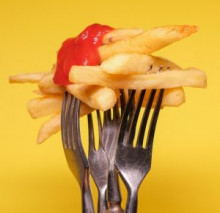
Fast foods
Fast foods contain trans fats that increase cholesterol and plaque buildup in the blood vessels. They congest the veins resulting in poor blood circulation. The veins are deprived of oxygen and proper nutrients necessary for vein health. Some of these foods like burgers or chips are loaded with sodium which increases water retention and makes the blood thicker resulting in inflammation of the veins.
Alcohol
Excessive consumption of alcohol causes fluid retention and causes vein inflammation.
Sugary beverages
Sugary beverages increase the blood sugar levels and can cause high blood pressure. Canned beverages, cakes, desserts, cookies, etc., are loaded with added sugars and cause obesity.
Red meat
Red meat has very low amounts of fiber and is difficult to digest and can cause constipation.
Dairy products
Some people are lactose intolerant and are unable to digest dairy products. Dairy products can slow down digestion and cause constipation.
Stop your suffering NOW
Don't just jump into a surgery because your doctor is advising you to go for it. Consult our doctors to know if you need a surgery at all. Rest assured, we WON'T recommend you surgery unless it's the last resort.