Overview
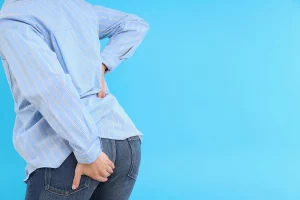
Do you ever experience a sharp, shooting pain on the upper-right side of your abdomen after heavy meals, especially during the evening or after having dinner? If so, you are probably having a gallbladder attack, also known as a biliary colic.
Gallbladder attacks generally occur when the gallstones are blocking the bile ducts.
Most of us have gallstones, but they are generally asymptomatic and do not cause any complications.
Gallstones usually are very small in size and move easily through the biliary system without causing any obstructions.
Gallstones that are bigger in size block the bile ducts and cause symptoms or complications that need medical intervention.
What are the symptoms of gallstones?
Asymptomatic gallstones may not cause any symptoms at all.
If the gallstones are big in size and block the bile or pancreatic ducts, they can cause sudden abdominal pain, also known as gallbladder attacks among other symptoms.
What are gallbladder attacks?
Gallbladder attacks occur when gallstones obstruct the cystic ducts that transfer the bile to the intestine.
Gallstones may be very small in size like grains of sand or big stones like a golf ball. If they obstruct the bile ducts or exert pressure on the inner walls of the gallbladder, they can cause severe pain or biliary colic.
The pain can last for a few minutes or even 4 to 5 hours.
This medical condition is called cholelithiasis. If the gallbladder is infected and inflamed, the condition is called acute cholelithiasis.
Signs of biliary colic:
- Acute pain in the centre of the abdomen
- The pain occurs on the right-hand side under the ribs and may spread to the shoulder blades
- The pain may again gradually spread to the back
- Pain is heightened by the consumption of fatty foods, especially, during the evening or night
- Decrease in appetite
- Bloating or gas formation
- Nausea and vomiting
The pain can be relieved by the passing of the gas in the bathroom.
Biliary colic episodes are not frequent. You may get another episode of biliary colic after several weeks or months.
Other symptoms
- Fever
- Shivers
- Rapid heartbeats
- Yellowish tinge in the eyes (jaundice)
- Diarrhoea
- Appetite loss
- Chest pain
- Abdominal uneasiness post-meal

Diagnosis for gallstones
The doctor will perform several tests to diagnose the disease.
Diagnostic tests include:
Abdominal ultrasound
The doctor uses a transducer across the abdominal area and images are projected on the computer screen.
This test allows to locate signs and symptoms of the disease.
Endoscopic ultrasound (EUS)
EUS is done to diagnose smaller gallstones that are missed during the abdominal ultrasound.
The doctor inserts a flexible tube called an endoscope through the mouth into the digestive tract.
The transducer in the endoscope produces sound waves and produces images of the surrounding areas of the abdomen.
Imaging tests
Apart from abdominal ultrasounds, the doctor will perform other imaging tests like:
- Computerize tomography (CT) scan
- Hepatobiliary iminodiacetic acid (HIDA) scan
- Magnetic resonance cholangiopancreatography (MRCP) scan
- Endoscopic retrograde cholangiopancreatography (ERCP) scan
- Percutaneous transhepatic cholangiogram (PTCA)
Blood tests
The doctor will also ask for some blood tests like:
- Complete blood count (CBC)
- Liver function tests
- Bilirubin test
- Pancreatic enzyme test
Stop your suffering NOW
Don't just jump into a surgery because your doctor is advising you to go for it. Consult our doctors to know if you need a surgery at all. Rest assured, we WON'T recommend you surgery unless it's the last resort.
How are gallstones treated?
Gallstones treatment is needed when they are big in size and are causing symptoms.
Smaller symptoms can easily pass and are flushed out of the body through feces and urine. Big gallstones that are obstructing the bile ducts and causing complications need medical intervention.
Doctors may prescribe oral medications to dissolve the gallstones. Other methods include extracorporeal shock wave lithotripsy (ESWL) where shock waves are used to break the gallstones and convert them into dust particles. This allows the gallstones to easily pass through the urine.
Surgical removal of gallbladder is the most effective way to treat gallstones and prevent reoccurrence of the disease.
Surgical procedures can be:
Open cholecystectomy
Here a large incision is made to remove the gallbladder. This is done when the gallbladder is inflamed and there are scar tissues. A hospital stay is required. Recovery may take a month.
Laparoscopic cholecystectomy
This is a minimally invasive procedure. A few small incisions are made and the gallbladder is removed. The procedure is normally done in an outpatient facility.
Gallbladder complications
Some people may develop serious gallbladder complications.
Complications include:
Acute cholecystitis
Sometimes the gallbladder is permanently blocked by gallstone buildups resulting in bile accumulation in the gallbladder.
This causes gallbladder inflammation and infection. This condition is called acute cholecystitis.
Symptoms are:
- Acute biliary colic pain in the right upper abdomen that may spread to the shoulders
- The pain can last for more than 5 hours
- High fever with chills
- Rapid heartbeat
- Jaundice
The gallbladder infection may sometimes lead to gallbladder abscess and needs to be drained.
Acute cholecystitis is treated with antibiotics to reduce the infection and inflammation. A key-hole laparoscopic gallbladder surgery can be used to remove the gallbladder.
Acute cholangitis
Acute cholangitis is the infection of the bile ducts.
Symptoms are:
- Abdominal pain
- Fever
- Chills
- Jaundice
- Skin itching
- General discomfort
Antibiotics are used to treat the infection.
The doctor can perform an ERCP or endoscopic retrograde cholangiopancreatography to treat the symptoms.
Jaundice
Jaundice may occur when the bile ducts are blocked.
Symptoms are:
- Yellow tinge in the eyes
- Dark-coloured urine
- Pale-coloured stool
- Skin itching
If the gallstones do not pass through the bile ducts, the doctor will remove the gallbladder with surgery.
Acute pancreatitis
Acute pancreatitis is inflammation of the pancreas.
It occurs when the flow of the bile is obstructed and blocks the opening of the pancreatic ducts.
Symptoms are:
- Dull, constant ache in the abdomen that may spread to the back
- Pain worsens after eating
- Diarrhoea
- Appetite loss
- High temperature
- Abdominal tenderness
- Jaundice (less common)
- Feeling sick
Currently, there is no treatment for pancreatitis. If the symptoms are worse, it might require a hospital stay and nutritional support.
Gallbladder cancer
Gallbladder cancer is a rare and serious complication.
People with a family history of gallstones and high calcium levels are at high risk of developing gallbladder cancer.
Symptoms are:
- Abdominal pain
- High fever
- Jaundice
Treatment includes gallbladder surgery, chemo, and radiation therapy.
Gallstone ileus
This is also a rare condition where the bowel is obstructed and needs immediate treatment to prevent a bowel rupture and widespread infection.
Symptoms are:
- Abdominal pain
- Constipation
- Abdominal swelling
- Sickness
An emergency surgery is done to remove the gallbladder and unblock the bowel.
Final words
Gallstones are very common and around 60-80% of gallstones are asymptomatic. Most people are not even aware of their presence in the body until they experience symptoms like pain and other complications.
Gallstones can be prevented by maintaining a healthy lifestyle. Include more fiber-rich and nutritious food in the diet.
Avoid skipping meals or crash diets as they can lead to complications.
Obesity further increases the risks of gallstones.
Physical activities and a balanced diet can help maintain a healthy weight.
Doctors may prescribe medications to dissolve the stones, but there are chances of recurrence.
Long-term treatment for gallstones includes a surgical removal of the gallbladder.
Sometimes, the symptoms of gallstones may indicate other health conditions and it is imperative to get diagnosed with a healthcare professional.
References