Overview
Pilonidal sinus is an anorectal disease and can cause major discomfort and pain. Along with proper treatment, a healthy diet can provide relief and help in managing the symptoms.
A balanced diet should consist of the right amount of nutrients, essential vitamins, fiber, probiotics, and protein. An ideal diet should provide energy, promote digestion, reduce constipation, and should benefit overall health.
Best foods for pilonidal sinus
High-protein food
After a pilonidal sinus surgery, your body needs more protein to boost wound healing. It enhances body muscles and the immune system.
Proteins can be derived both from vegetarian and non-vegetarian sources. Non-vegetarian sources mainly include lean meat, fish, and eggs. Vegetarian sources include:
- Soy products like soy milk, tofu, soybean
- Dairy products
- Pulses
- Nuts
- Beans
Whole grains
They are good sources of carbohydrates and fiber. They provide essential nutrition and also add bulk to the stool and prevent constipation. Oatmeal, brown rice, and cereals are good sources of carbohydrates
Fiber-rich food
Dietary fiber is good for gut health, eases digestion, and helps to pass the bowels smoothly. Straining during bowel movements can aggravate the condition and also irritate the affected area post-surgery. Add large amounts of dietary fiber to your daily diet to avoid constipation. Food like bananas, carrots, beetroot, sweet potatoes, oats, and apples are rich in dietary fiber.
Fruits and vegetables
Fruits help in wound healing and reconstruction of soft tissues. Vegetables are rich in vitamins, and minerals, and are good sources of fiber.
Fruits that are good for your pilonidal sinus include:
- Oranges
- Bananas
- Berries
- Apples
- Peaches
- Guava
Fiber-rich vegetables are:
- Leafy green vegetables
- Broccoli
- Brussel sprouts
- Bell peppers
- Carrots
Fluids
Fluids keep your body hydrated and help in urination and bowel movements. Water, soup, milk, juices, etc., hydrate your body. If you are lactose intolerant, you can consume soy beverages.
Probiotics
Probiotics accelerate recovery after surgery. They replenish the good bacteria in your gut, boost your immune system, aid in digestion, and fight infections.
Herbs and spices
There are several herbs and spices that contain anti-inflammatory and anti-fungal components. They strengthen your immune system and promote easy recovery after a pilonidal sinus surgery.
- Garlic – It is an anti-fungal agent and makes your immune system strong
- Turmeric – Contains curcumin, an anti-inflammatory and antioxidant agent that reduces inflammation
- Fenugreek – It has anticarcinogenic and antioxidant properties that reduce swelling. You can add some fenugreek powder in hot water, add some honey, and drink it
- Honey – Loaded with vitamins and antibacterial properties, honey can be taken with lukewarm water for healing
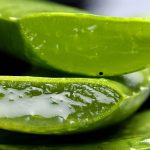
- Aloe vera – Aloe vera gel fights infection and provides relief to pain and irritation
Foods to avoid if you have pilonidal sinus
There are certain foods that are unhealthy, can increase weight or constipation, and are harmful to your health.
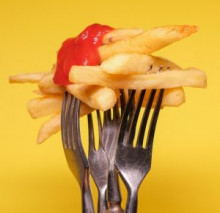
Deep-fried and junk food
Deep-fried food contributes to weight gain and is difficult to digest. Junk foods have no nutritional value. They are bad for gut health. Avoid foods like candies, desserts, snacks, packaged foods, sweets, etc.
Spicy food
Spicy foods can worsen your pilonidal sinus problems. It is difficult to digest oily and spicy foods. They can cause diarrhea or constipation. You can experience irritation during bowel movements.
Caffeine and alcohol
Caffeinated beverages and alcohol dehydrate your body. It can weaken the immune system and cause constipation.
Stop your suffering NOW
Don't just jump into a surgery because your doctor is advising you to go for it. Consult our doctors to know if you need a surgery at all. Rest assured, we WON'T recommend you surgery unless it's the last resort.