Blog Header Image tt

What are the common symptoms of uterine fibroids? Can fibroids go away on their own?

Goficure - Blog Page - What are the common symptoms of uterine fibroids? Can fibroids go away on their own? (Blog Post) Last Updated March 12, 2024

Overview

Uterine fibroids are a type of noncancerous tumors that grow in the uterus. They are very common and mostly occur during the childbearing age.

Not all fibroids are symptomatic and you may be unaware of them. Uterine fibroids have other names such as leiomyomas, fibromas, myomas, etc.

Uterine fibroids are made of tissues and muscles and can be very small and invisible to the eye. Larger fibroids can be the size of a pea or even as big as a melon. They can grow as a single growth or in clusters.

Fibroids mostly grow in:

  • Uterus walls
  • Main uterus cavity
  • The outer surface of the uterus
  • Cervix

Common symptoms of uterine fibroids

Small fibroids may not cause any symptoms and do not generally need treatment other than proper evaluation and observation by the doctor.

Many women who are suffering from larger fibroids can experience disruptive symptoms such as:

  • Excessive bleeding and pelvic cramps during menstruation
  • Heavy menstruation with blood clots
  • Vaginal bleeding other than menstrual cycles
  • Bloating and fulness sensation in the abdomen
  • Frequent urge to urinate as the fibroids put pressure on the bladder
  • Pain during intercourse
  • Menstrual cycles can be longer than usual
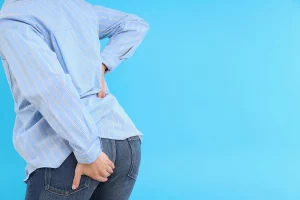
  • Lower back pain
  • Persistent vaginal discharge
  • Constipation
  • Inability to empty the bladder completely
  • Abdominal distention or enlargement that looks like being pregnant
  • Stabbing pain in the abdomen
  • Rectal discomfort
  • Multiple miscarriages
  • Infertility
  • Premature labour during pregnancy
Related posts

What does uterine fibroid pain feel like?

Fibroid pain may vary from person to person. The pain occurs due to the weight of the fibroid in the abdomen. It can be a dull pain or pressure in the abdomen, especially if you have multiple or larger fibroids. Some people may describe the feeling as similar to being pregnant. The pain may last for a long duration.

Sometimes, there can be a sharp, stabbing pain. This generally occurs when the uterine fibroids are undergoing degeneration as the fibroids are dying off due to loss of blood supply. Degenerating fibroids can cause severe and shooting pain. The pain may go away within a few days or may need treatment or even surgery.

Sharp pain may also be felt during pregnancy but it does not hurt the baby. Consult your doctor if you are experiencing lower back or abdominal pain during pregnancy.

As the fibroids grow in size, they can compress the surrounding nerves in the spine which can cause pain in the lower back and legs.

Some people complain of throbbing pain during intercourse. The pain is very similar to menstrual cramps.

You may feel a stinging or burning pain during bowel movements.

Image

Can fibroids go away on their own?

There is no definite answer to the question of whether fibroids can go away on their own. Some fibroids usually the smaller ones can shrink with time and disappear without any medical intervention. Many researchers believe that it usually happens during menopause when the estrogen production decline.

Whether fibroids will shrink and go away on their own depends on factors like location, size, and other health factors. Only about 10% of the uterine fibroids can gradually resolve over time.

Some may find that the fibroids have shrunk suddenly during pregnancy due to the hormonal changes in the body.

A rich fibroid-friendly diet with green leafy vegetables, milk, and fruits, and low fat can help regulate the growth of fibroids.

If you are approaching menopause, your doctor may ask you to follow the “wait-and-watch” approach and monitor your symptoms and see whether the condition improves.

Approximately, 1% to 2% of women with uterine fibroids may undergo bodily changes and even infertility. This occurs when the fibroids act as a barrier and restrict access to fallopian tubes or the uterus.

Stop your suffering NOW

Don't just jump into a surgery because your doctor is advising you to go for it. Consult our doctors to know if you need a surgery at all. Rest assured, we WON'T recommend you surgery unless it's the last resort.

Trending posts

Final words

The symptoms of uterine fibroids may differ for each individual. They depend on factors like the size and the location of fibroids. Fibroids are most often not dangerous but they can cause complications like heavy menstrual bleeding, anemia, infertility, fetal growth restriction, pre-term delivery, etc. For mild symptoms, the doctor may recommend to wait and see whether the symptoms resolve. In other cases, treatment generally includes medications or even surgery.

Dos
  • Eat more fresh fruits and vegetables
  • Keep the blood pressure under control
  • Practice yoga or light exercises to manage stress
Don'ts
  • Eat fatty foods or red meat
  • Skip workouts
  • Over-indulge in high-sugar diet


Consult a doctor

Patient name is required
Mobile number is required
Condition is required