Overview
Are you experiencing pain, itching, or occasional bleeding during bowel movements? Chances are that you may be suffering from anal fissures.
An anal fissure is a rupture in the lining of the anal cavity. Superficial anal fissures are a common problem and can heal on their own. But if the fissures are deep, you may need a proper diagnosis and treatment.
Anal fissures are more common in young children but adults can get them too due to chronic constipation and hard stools.
Most fissures are treatable with simple lifestyle changes and home remedies and resolve within 6 weeks. However, if the symptoms are recurring and chronic, and persist beyond 6 weeks, it is best to seek expert advice.

Best home remedies for fissures
Here are a few remedies that can heal fissures quickly and relieve pain.
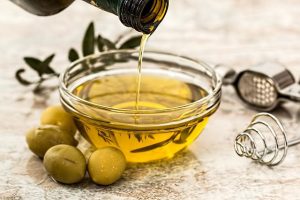
Olive oil
Olive oil has anti-inflammatory properties and natural laxatives. They can help with bowel movements and provide relief to the discomfort. Take equal quantities of olive oil, beeswax, and honey in a microwave and mix them well. Heat the mixture in the microwave and blend it evenly and let it cool down. Apply the mixture in the affected areas and repeat the application three to four times as and when necessary.
Coconut oil
Coconut oil is a natural healer. You can take a spoonful of coconut oil and apply it on the affected skin and on the anal sphincter. It will lubricate the area and heal the wound. You can repeat the process a few times during the day especially after bowel movements when the pain is worse.
Aloe vera gel
Natural aloe vera gel has pain-relieving properties and has zero side effects. It can repair and heal the skin. Cut a small portion of leaf from an aloe vera plant. Cut the edges of the leaf and scoop out the aloe vera gel and blend it well in a bowl. Apply this gel to the affected region for comfort. You can also buy natural aloe vera gel from the market.
Petroleum gel
Petroleum gel soothes the skin and is widely used by people for treating skin rashes and other skin problems. You can apply some petroleum gel in the affected region especially after passing stool to soothe the area.
Sitz bath
It is extremely useful in relieving pain, discomfort, and swelling. Sitz baths come in the form of a small bowl that can be placed on western toilets. Ensure that the water level is enough to cover your bottom area. Alternatively, you can fill in a bathtub with warm water, add some lavender oil, and immerse yourself for 15 to 20 minutes. Ensure that the water is clean and not too hot or it may damage the skin.
Dietary fibers
Include lots of fibers in your diet. According to the “Academy of Nutrition and Dietetics”, the average fiber intake per day is 38 grams for adult males and 25 grams for adult females. The right proportion of fibers reduces constipation and too much liquidity in the stools which may cause diarrhea.
Fiber-rich foods include:
- Beans
- Lentils
- Soybeans
- Chickpeas
- Pumpkin seeds
- Avocados
- Oat brans
- Barley
- Flaxseeds
- Seed husks
- Seeds and nuts
- Whole-grain foods
- Sprouting legumes
- Papaya
You may also take fiber supplements; however, a doctor’s recommendation is mandatory. Stool softeners like psyllium husk give bulk to the stool and help in relieving constipation. Synthetic fibers like methylcellulose can also help in bowel movements. It is advisable to slowly increase the intake of fiber supplements as it can cause bloating and gas.
Ghee
Ghee is readily available and a part of every Indian household. Ghee is a natural laxative and contains butyrate acid that promotes digestion and reduces gastrointestinal disorders like IBS, diarrhea, etc. Many ayurvedic practitioners recommend adding a spoonful of ghee to milk to help in easy bowel movements. If you are lactose intolerant, avoid taking ghee with milk.
Increase fluid intake
Staying hydrated is important to prevent constipation. Increase fluid intake in your body. It will soften the stools and help easy movements during defecation. Drink plenty of water throughout the day. You can also drink some lukewarm water early in the morning to help in bowel movements. Consume vegetables and fruits that are rich in water content like:
- Cucumber
- Cabbage
- Broccoli
- Tomato
- Lettuce
- Zucchini
- Celery
- Sweet peppers
- Cantaloupe
- Watermelon
- Strawberries
Stop your suffering NOW
Don't just jump into a surgery because your doctor is advising you to go for it. Consult our doctors to know if you need a surgery at all. Rest assured, we WON'T recommend you surgery unless it's the last resort.