Overview
When discussing a healthy diet or living, we immediately think of foods or a health regimen that will keep our heart, kidneys, lungs, or liver healthy. But what about our gallbladder? Have we ever given it a thought?
The gallbladder like the other parts of our body is a sensitive organ. A damaged or dysfunctional gallbladder will need treatment or a surgical removal.
Gallstones are small pebble-like masses that occur in the gallbladder. Sometimes gallstones are asymptomatic and do not interfere with your daily lives.
Gallstones that are substantially big in size may trigger symptoms like sharp abdominal pain, nausea, vomiting, or fever.
Gallstones can be recurring and, in most cases, surgery is the only permanent cure.
Keeping a close watch on your diet and a healthy lifestyle helps in preventing gallstone formation.
How are gallstones formed?
Our gallbladder is a pear-shaped, small organ that is located on the right side of our abdomen just beneath the liver.
The gallbladder stores a digestive fluid known as bile produced by the liver.
The food that you eat passes through the stomach into the small intestine. During this time, the gallbladder releases bile to digest the food.
Gallstones are hardened bile deposits. They can be very small in size or as big as a tennis ball.
The gallbladder is connected to the small intestine via bile ducts. When the stones are big and travel through the gallbladder, they may block the bile ducts and cause symptoms like severe abdominal pain, nausea, vomiting, etc. This pain is called biliary colic.
Diet risks for gallstones
While factors like age, underlying diseases, gender, or family history are out of your control; however, eating a healthy diet, maintaining optimal health, and a prudent lifestyle can help prevent gallstones.
Avoid doing crash diets or fasting during the day.
If you are overweight, and on a weight-loss program, consult your dietician. Try losing weight gradually and slowly over a period of time.
Crash diets can shoot the cholesterol levels and bile salts and form gallstones.
Foods to eat if you have gallstones
A balanced and healthy diet not only helps in preventing gallstones but is good for your overall health.
Eating foods that are nutritious or have a low risk of gallstones puts less pressure on your gallbladder and prevents the recurrence of gallstones.
Gallbladder-friendly diet includes:
Plant foods
Plant-based foods like fruits and vegetables are rich in minerals, vitamins, and antioxidants. They are natural and not processed. They flush out the toxins from your body, prevent cell damage, and are good for your gut health.
Vegetables and fruits are also low in cholesterol and can help in managing cholesterol gallstones.
According to experts, the following foods are good for your gallstones:
- Whole fruits
- Citrus fruits rich in vitamin C like oranges, tomatoes, or grapes
- Green leafy vegetables like cabbage, broccoli, lettuce, spinach, etc., are rich in iron and magnesium
- Fruits like strawberries, or pineapples
- Brussels sprout or pawpaw
- Avocados which are rich in water content
Lean proteins
Include a lot of vegetable proteins like nuts, beans, tofu, seeds, soy products like tempeh (avoid if you are allergic to soy products), lentils, etc.
Avoid animal protein like red meat. They are high in fat and are not good for your gallbladder health.
You can include low-fat proteins in your diet like:
- Milk proteins like cheese, milk, etc.
- Fish
- Poultry
- Dairy alternatives like soy milk (if you are lactose intolerant), or almond milk.
- Legumes
- Seeds
- Nuts
Avoid processed meats or dairy products as they are high in salts.
Fiber-rich foods
Fiber promotes digestion. They help in the easy movement of the food in your gut. Include whole grains like wheat, quinoa, oats, and fresh green leafy vegetables, seeds, and fruits in your daily diet.
Flaxseeds have abundant fiber and are good for the gallbladder.
Fiber also lowers the biliary sludge and helps in losing weight quickly.
Healthy fats
Unsaturated and low-fat foods are good for your gallbladder.
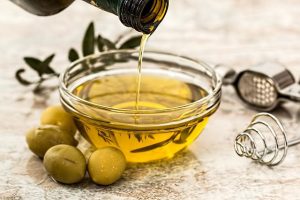
Consume unsaturated fats from plant sources like nuts, seeds, avocados, sunflower oil, olive oil, rapeseed, walnuts, flaxseeds, etc.
Animal proteins include cold-water fish and poultry.
Vitamins and minerals
Foods that are natural sources of vitamin C, magnesium, calcium, or folate prevent gallbladder disease.
Eat fresh, raw fruits and vegetables that are rich in vitamin C. Vitamin is soluble in water. Boiling foods or cooking them can remove some of the essential vitamins from the food.
Foods rich in vitamin C are:
- Oranges
- Lemons
- Green pepper
- Strawberries
- Kiwi fruits
- Tomatoes
Foods that are rich in magnesium are:
- Milk
- Milk supplements like soy products
- Almonds
- Avocados
- Yogurt
- Bananas
- Beans
- Rice
- Potato
- Spinach
- Peanuts
- Peanut butter
Sources of folate are:
- Asparagus
- Spinach
- Broccoli
- Sunflower seeds
- Beans
- Turnip greens
- Eggs
- Liver
If you are on dietary supplements, consult your nutritionist.
Fluids
Stay hydrated and consume lots of fluids like herbal tea, green tea, fresh juices, and water.
Increase your water intake. Drink about two liters of water throughout the day.
Drinking water at regular intervals flushes out the toxins from the body and prevents bile buildup.
DASH diets
DASH diets focus on a plant-based diet like fruits and vegetables and healthy fats.
It limits the intake of processed foods like salty foods, added sugars, or red meat.
DASH diets lower cholesterol levels which are good for your heart and gut health.
A DASH diet includes:
- Low-fat foods
- Fresh green vegetables
- Fresh fruits
- Foods rich in fiber
- Minerals like potassium, calcium, and magnesium
- Low-salt foods
- Unsaturated fats
- Fish and poultry
- Low-fat proteins
Stop your suffering NOW
Don't just jump into a surgery because your doctor is advising you to go for it. Consult our doctors to know if you need a surgery at all. Rest assured, we WON'T recommend you surgery unless it's the last resort.
Foods to avoid
Following a healthy diet would not help get rid of the gallstones if you already have them. However, it can ease the symptoms.
Foods that you should avoid:
Fried and processed foods
Avoid processed foods that can aggravate your symptoms like:
- Biscuits
- Chips
- Baked products like cakes, cookies, doughnuts
- Desserts
- Refined grains
- Sweeteners
- Refined sugars like fructose
- Bread
- Chocolates
- Beverages with added sugars
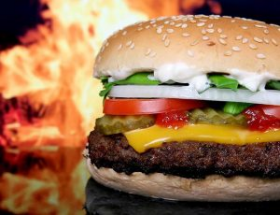
- Deep-fried fruits like French fries, burgers, etc.
- Sweets
- Refined white flour
High-fat foods
Foods containing trans fats like fried foods can aggravate biliary colic pain.
Avoid dairy products like whole milk, butter, ice cream, or cheese.
Foods that are deep fried in vegetable oil or peanut oil contain polyunsaturated fats which are difficult to digest.
Saturated fats like beef, pork, or lamb should be taken in minimal quantities. You can remove the skin which is rich in fat before cooking poultry.
A low-calorie diet
If you are trying to lose weight, do it gradually. A low-calorie diet may trigger the gallstone symptoms.
Weight can be reduced with regular exercise, drinking fluids, and a healthy diet. Consult your dietician for a healthy, well-balanced diet.
Try alternative cooking methods like grilling, oil spray, or boiling food instead of deep-frying foods.
Other factors
Avoid smoking and excessive consumption of alcohol. They can worsen the symptoms.
Diet after a gallbladder surgery
Sometimes the symptoms may lead to gallbladder surgery. After gallstones surgery, you may experience loose stools or diarrhea for a week or more.
Your postoperative diet must include high-fiber and low-fat foods. Avoid taking caffeine, processed or packaged foods, full-fat products like dairy or cream, spicy foods, alcohol, or greasy foods. They may aggravate your postoperative discomfort.
You can resume your normal diet after 4 weeks post-surgery. Your healthcare provider will suggest some digestive enzymes and foods that are low in fat or high in vitamins and fiber to boost your digestion.
Final words
To keep your gallbladder healthy, you must keep your gut healthy. Even if you do not have a gallbladder, maintain a healthy lifestyle by cutting down on alcohol intake, smoking, excessive caffeine consumption, spicy foods, or foods that cause bloating or gas.
If you are on a weight-loss program, try eating small, frequent meals instead of fasting.
Avoid spicy and deep-fried, greasy foods. They increase the cholesterol in your body.
Consult your dietician and try working on your daily health regime. Go for brisk walks and exercise regularly to keep your body healthy and weight in control.
If you have a food allergy, talk to the doctor immediately. Allergies can trigger gallstones and other health conditions.
Add a lot of fiber-rich foods like fresh vegetables, nuts, and fruits to your diet. They help to break the gallstones and remove other toxins from your body.
Include the right foods in your diet to improve your gallbladder health.
References