Overview
A hernia is a fatty tissue, a bulge, or a part of an organ that protrudes out of a weak muscle wall.
Hernias can be of many types depending on the area where it occurs:
- A hernia appearing in the upper thigh is called a femoral hernia
- An umbilical hernia occurs as a bulge in the belly button
- A hernia may develop at an incisional site where you had previous surgery called an incisional hernia
- Hernias occurring at the groin are called inguinal hernia
Initially, you may not feel any symptoms but as the condition progresses, there may be symptoms like:
- Chest pain
- Difficulty passing gas
- Constipation
- Difficulty swallowing
- Acid reflux
- Nausea
- Vomiting
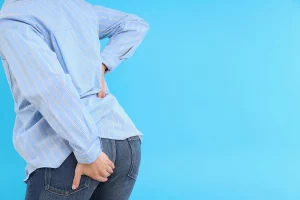
- Pain near the hernia or while doing heavy chores
You may feel the bulge when you cough, bend, or stand up. The symptoms vary depending on the type and location of the hernia.
Are hernias cured naturally?
Umbilical hernia which occurs in newborns and babies under the age of six months generally goes away within four to five years as the baby grows older and treatment is not required. Apart, from that, all other hernias need treatment and eventually surgery.
Some hernias do not have any symptoms or cause any discomfort and might not need any treatment.
Nonsurgical treatments and home remedies can help reduce the symptoms and prevent further damage to the hernia.

How to manage a hernia at home?
Once you are diagnosed with a hernia, you may follow these simple ways to get relief:
Avoid heavy-duty activities
One of the main reasons for developing a hernia is strenuous workouts or overexertion.
Cut off on strenuous exercises and engage in easy and light exercises. Light exercises can alleviate pain and discomfort but should be done cautiously under the guidance of your doctor and a physical instructor.
Some yoga postures like Uttanpadasana, Vajrasana, or Sarvangasana provide relief and improve your metabolism. They relax your body and remove stress.
Exercise
Light exercises are considered safe and strengthen your core muscles. They also help in reducing hernia pain and discomfort.
Taking half-an-hour brisk walks every day is beneficial for your overall health. Avoid cycling or swimming if it is causing strain and discomfort.
Light meals
Light, non-spicy, and low-fat meals are easy to digest and put less pressure on your intestines. Eat lean proteins, a high-fiber diet, and plenty of fresh fruit and vegetable juices that promote gut health and aid in bowel movements.
Ice packs
Apply ice packs on the affected area if you are having inflammation or pain. They contract the muscles and provide relief to swelling, pain, and bloating sensations.
Castor oil
Castor oil has anti-inflammatory ingredients. Dab a cotton ball in castor oil and apply it to the inflamed area to soothe the swelling and pain.
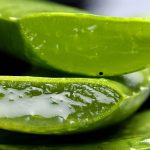
Aloe Vera
Aloe vera juice has numerous health benefits and has anti-inflammatory properties. You can drink aloe vera juice regularly after meals to reduce acid reflux, abdominal pain, and inflammation.
Ginger
This root is a natural remedy for alleviating pain and inflammation, reducing acid reflux, and promoting digestion. Ginger tea can be consumed regularly to reduce discomfort.
Lose weight
Obesity exacerbates hernia pain. Shedding a few kilos improves hernia symptoms and prevents complications due to hernia strangulation.
Avoid constipation
A high-fiber diet with leafy vegetables, papaya, whole grains, sweet potato, beans, etc., reduces constipation. Hard stools are difficult to pass and put pressure on the hernia.
Hernia belts
These belts provide support and relieve pain and discomfort. The hernia belt keeps the herniated tissues in place and prevents them from protruding out. These belts are mostly used after an inguinal hernia surgery.
Stop your suffering NOW
Don't just jump into a surgery because your doctor is advising you to go for it. Consult our doctors to know if you need a surgery at all. Rest assured, we WON'T recommend you surgery unless it's the last resort.