Overview
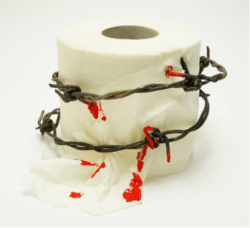
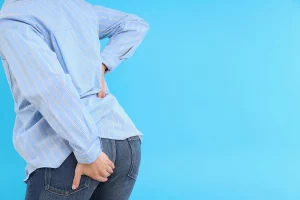
Piles are engorged blood vessels or swollen hemorrhoids that develop inside or around the anus, and in the anal passage.
We all have hemorrhoids. They consist of muscles, masses, and cushions of supportive tissues that are full of blood vessels. But when these blood vessels become inflamed or widened due to excess blood, they stretch and irritate the anal canal due to the passing of stools and develop into piles.
The swelling can cause localized inflammation, pain, bleeding, and discomfort and hampers your normal day-to-day activities.
What causes piles?
The exact reason for piles is not known. Doctors assume that they may occur due to the following causes:
Chronic constipation
Hard stools and exerting pressure while defecation is one of the prime reasons for piles. Straining puts pressure on the blood vessels surrounding the anal walls and can cause piles.
Pregnancy
About 35% of women develop piles during their pregnancy. The growing baby puts pressure on the pelvic region which causes the blood vessels to swell. The rectal muscles become weaker and the hormonal levels also change which can relax the blood veins and cause inflammation.
Chronic diarrhea
Frequent bowel movements cause inflammation of the anal mucosa and irritate the surrounding walls causing burning sensation and pain.
Old age
Though young children and people can get piles, it is more common in people over the age of 50. The supportive rectal tissues become weak and stretch and older adults have to put more pressure to evacuate the stools. The straining enlarges the rectal veins and causes piles.
Unhealthy diet
A low-fiber diet can alleviate the symptoms of piles. Skipping meals, eating junk foods, and not taking enough fluids can cause piles.
Sedentary lifestyle
Lack of body movements, exercises, sitting for a long duration, etc., causes piles. Desk jobs where people have to sit for prolonged periods puts pressure on the rectal muscles and can lead to hemorrhoids.
Lifting heavy weights
Lifting heavy objects can put pressure on or strain the internal veins of the rectal region and may inflame the veins in the rectum.
Obesity
Excess body weight especially in the abdominal or pelvic area constricts the veins in the anal or rectal region and can cause piles.
Genes
Piles can be genetic. People often inherit the tendency to develop the disease.
Types of piles
There are four main classifications of piles. Types include:
External piles
The inflamed blood vessels develop under the surface of the skin around the anus. They can be swollen, itchy, painful, bleed occasionally, and develop blood clots.
Internal piles
Develop inside the anal canal or the lower region of the rectum. The piles can’t be seen or felt but may sometimes bleed. They are usually painless. Internal piles can be further divided into four stages.
Prolapsed
This is the third type of piles that can occur in both internal and external piles. The piles can be prolapsed when they hang or bulge out of the anus. They can cause intense pain and bleeding.
Thrombosed
It occurs when the blood has clotted and is very painful, especially in external piles.

Stages of piles
Internal piles can be further categorized into four stages. The stages reflect the seriousness of the disease.
Stage 1 piles
This is the first stage and the person develops tiny swellings inside the anal canal. This stage is not so serious and the symptoms are very mild.
Stage 2 piles
In this stage, the piles grow larger in size. The inflamed tissues may sometimes get pushed out of the anal canal during the passage of stools. They again go back inside on their own. The difficulty in bowel movements can cause abrasions and small cuts inside the anal cavity. Patients may experience pain, discomfort, and bleeding.
Stage 3 piles
Also called prolapsed piles, here, small inflamed tissues hang out of the anus and can be pushed back inside by pressing them with the fingers. Because they obstruct the anal passage, they may cause severe constipation. Since the condition is serious, doctors usually suggest surgery.
Stage 4 piles
This is the final stage. The piles are permanently prolapsed and stick out of the anus. Treatments with medications or ointments are of no use. In this stage, surgery may be the only treatment option.
Stop your suffering NOW
Don't just jump into a surgery because your doctor is advising you to go for it. Consult our doctors to know if you need a surgery at all. Rest assured, we WON'T recommend you surgery unless it's the last resort.
Can piles be cured at any stage?
Piles are hundred percent curable. In most cases, piles heal on their own without any treatment. In stage 1, the piles are small in size, and the symptoms will go away after a few days. Simple home remedies, topical creams, over-the-counter medications, and a healthy fiber-rich diet can heal piles.
In the later stages when the piles grow in size or are prolapsed, it is best to consult the doctor without any delay for proper treatment. Large hemorrhoids take a longer time to heal.
Many women develop piles during pregnancy. This is due to hormonal changes and increased fetal pressure in the abdomen. Doctors generally prescribe mild medications to combat the symptoms. The symptoms generally go away after one month from the baby’s birth.
If piles are left untreated it may lead to several complications. The symptoms get worse and there is a lot of pain and discomfort. Some people even develop anemia. Sometimes the hemorrhoidal veins get strangulated and the blood supply gets cut off. This causes extreme pain and may even lead to gangrene.
Treatment for piles
Piles that are smaller in size especially stage 1 piles do not need treatment. The flare-ups clear up within a few days. The duration of healing depends on the size of the piles and the symptoms. Piles that are large in size take a longer time to heal. Some piles tend to recur from time to time. In such cases, proper diagnosis and treatment are necessary.
Home care therapies
- Go to the loo whenever you feel the urge for bowel movements. Do not wait or resist the urge.
- During defecation, put the feet on a small stool. This will change the rectum’s position and will help in easy movement of the bowels.
- Pregnant women should sleep on their sides. This will relieve the pressure on the anus.
- A warm sitz bath can help relieve the pain and decrease inflammation.
- Drink enough fluids to keep yourself hydrated.
- Take showers regularly. Clean the anal area gently with water or wet wipes. Do not rub the area harshly or it may irritate the skin.
- Ask the doctor for stool softeners like psyllium.
- Increase your fiber intake. Fruits like bananas and fresh leafy vegetables can reduce constipation.
- If you have to sit or stand for prolonged hours, it can put pressure on the anus. Take periodic breaks or change the position to reduce the pressure.
Medications
There are plenty of hemorrhoid creams, medicated wipes, and over-the-counter pain medications that can relieve the symptoms, and reduce inflammation, and pain. If they persist, consult a doctor.
Outpatient procedures
If medications are not working, the doctor may recommend outpatient procedures. Procedures include:
- Rubber band ligation where the doctor ties a tight band around the base of the piles. This cuts the blood supply and hemorrhoid drops off after some time. This is mostly done to treat stage 2 and 3 piles.
- Sclerotherapy treatment where the doctor injects Phenol (in oil) into the affected tissues. This causes scarring of the tissues and obstructs the blood supply. The tissues shrink and fall off.
- In coagulation therapy, infrared light is used to burn and cut blood supply to the hemorrhoidal tissues. This is a potent treatment for first and second-stage piles.
- Electrotherapy is another procedure, where the doctor uses electric current to shrink the affected tissues.
Surgeries
Apart from the above procedures, doctors often prefer surgeries to treat patients suffering from stage 3 and 4 piles.
- Haemorrhoidectomy – this is traditional open surgery and is mostly done to treat stage 3 and 4 piles when other procedures like banding or coagulation have been ineffective. It is done under general anesthesia and recovery is long and painful compared to other surgeries.
- Stapled haemorrhoidopexy/haemorrhoidectomy – this surgery is done on patients with large or prolapsed piles. The surgery does not require any external excision and is less painful than a haemorrhoidectomy. A stapling device is used to cut the hemorrhoidal tissue.
- Haemorrhoidal artery ligation – the hemorrhoidal tissues are ligated or tied and after some time they shrink and fall off.
- Laser piles surgery – this is a non-invasive surgery that does not involve any cuts or stitches. Laser beams are used to destroy the piles-causing blood vessels. Recovery is very fast and the treatment is very effective in treating stages 3 and 4 of piles.